The Marshall compactor sits in the lab, its hammer set to 75 blows per side for the region's typical HL3 asphalt mixes. Kitchener's flexible pavement design starts here: with the mechanical behavior of hot mix asphalt on a prepared subgrade. The city sits on the edge of the Waterloo Moraine, where silty clay till dominates and drainage varies block by block. A well-designed flexible pavement distributes wheel loads through the asphalt surface, base, and subbase to the native soil without exceeding its bearing capacity. We tie the CBR road test directly to the pavement structure, ensuring the subgrade's soaked strength matches the design assumptions for Grand River Transit bus corridors and heavy truck routes on Highway 8. The team runs grain size analysis on every subgrade sample taken from depths of 1.0 to 2.5 meters, targeting the frost-susceptible layers that heave in Kitchener's January lows averaging -10 °C.
Kitchener's frost depth of 1.2 meters and the variable Waterloo Moraine soils mean flexible pavement design must prioritize subgrade drainage as much as asphalt mix strength.
Scope of work
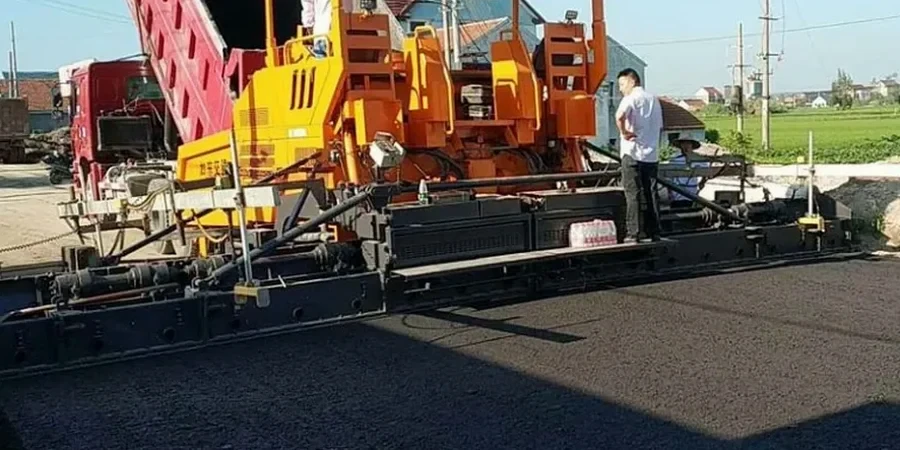
Site-specific factors
Kitchener's freeze-thaw cycles between November and April pose the greatest threat to flexible pavement. The region averages 60 to 70 such cycles per year, where daytime temperatures rise above 0 °C and drop below freezing at night. Water trapped in the granular base expands and contracts, loosening the aggregate structure and creating fatigue cracks in the asphalt surface. Silty subgrades common near the Grand River floodplain become saturated during spring melt, when the frozen layer below prevents drainage downward. That combination of trapped moisture and heavy truck braking loads on roads like Fairway Road accelerates rutting and alligator cracking. We incorporate the Atterberg limits test to quantify the plasticity of the subgrade clay: a plasticity index above 20 means the soil will expand and contract significantly with moisture changes, requiring either a thicker subbase or lime stabilization before placing the asphalt. Ignoring these local soil-water interactions leads to pavement service lives of half the intended duration.
Watch the video
Reference standards
CSA A23.3 (Aggregate Gradation and Quality), ASTM D6927 (Marshall Stability and Flow of Asphalt), OPSS 310 (Ontario Provincial Standard for Hot Mix Asphalt), AASHTO Guide for Design of Pavement Structures (1993)
Linked services
Asphalt Mix Design
Marshall method mix design for HL3, HL4, and HL8 surface and binder courses. Includes aggregate blending, asphalt cement content optimization, and air voids analysis calibrated to Kitchener's climate demands.
Subgrade CBR Assessment
Field and laboratory California Bearing Ratio testing on soaked samples from the proposed subgrade elevation. Provides the design input for determining pavement layer thicknesses under projected ESALs.
Frost Protection Design
Calculation of the total pavement thickness needed to prevent frost penetration into the subgrade. Accounts for the thermal properties of each layer and Kitchener's 1.2 m frost depth.
Granular Base Specification
Grain size analysis and proctor compaction testing of Granular A and B materials from local Waterloo Region pits. Verifies compliance with OPSS 1010 and CSA A23.3 before placement.
Typical parameters
Quick answers
What factors affect flexible pavement design in Kitchener?
The four main factors are subgrade soil type, frost depth, traffic loading, and drainage. Kitchener's silty clay till subgrades require careful CBR evaluation because their strength drops significantly when saturated during spring thaw. The design must also include a total pavement thickness that prevents the 1.2 meter frost line from reaching the subgrade, which means granular base and subbase layers combined with the asphalt surface need to exceed that depth or use frost-resistant materials underneath.
How much does a flexible pavement design study cost in Kitchener?
A complete flexible pavement design study typically ranges from CA$2,550 to CA$7,030, depending on the number of borings, the extent of subgrade testing required, and whether the project needs a full Marshall mix design for the asphalt. Projects with larger traffic loads or variable soil conditions across the site fall toward the upper end, as they demand more sampling points and laboratory analysis.
Why is subgrade drainage critical for flexible pavement performance here?
Kitchener experiences 60 to 70 freeze-thaw cycles annually. When water collects in the granular base because the subgrade cannot drain downward, the repeated freezing and thawing breaks down the aggregate structure. This leads to fatigue cracking, rutting, and potholes within a few seasons. We specify edge drains and permeable subbase materials where in-situ permeability tests show subgrade hydraulic conductivity below 10⁻⁵ cm/s to prevent this failure mechanism.